



A summer drought followed by a warm, wet autumn has shifted the timing of liver fluke risk, prompting warnings for sheep farmers to test their flocks and keep a close eye on vulnerable grazing.
Devon sheep farmer Peter Baber knows only too well the problems liver fluke can cause. But with changing weather patterns shifting the timing and geographical spread of the parasite, he is urging farmers to stay alert and test their sheep when warnings are issued.
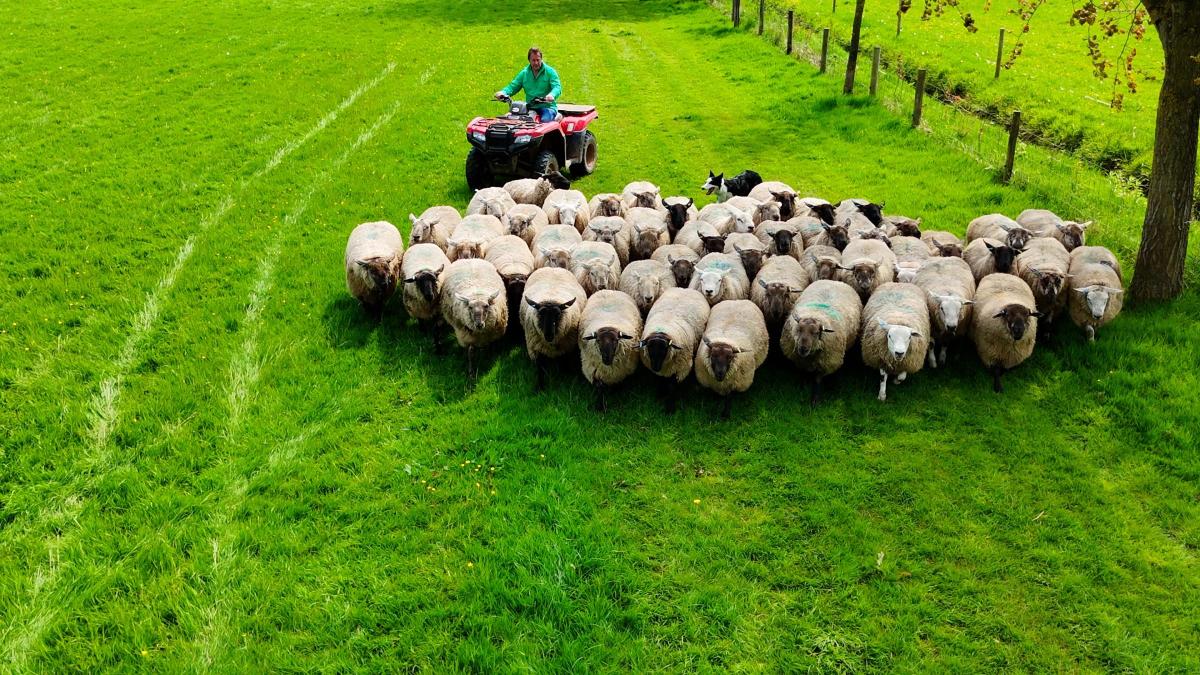
Peter runs a 400-acre, 900-ewe sheep enterprise across two holdings on the edge of Dartmoor National Park. Liver fluke has been an intermittent problem over the years, particularly among sheep grazing a river floodplain that is prone to flooding.
This year, the risk may be arriving later than farmers traditionally expect.
The summer drought forced mud snails, which carry the liver fluke parasite, to ‘wait out’ the dry conditions. Now, the combination of warmer temperatures and wet autumn weather has created favourable conditions for the snails to become active again, increasing the risk of pasture contamination.
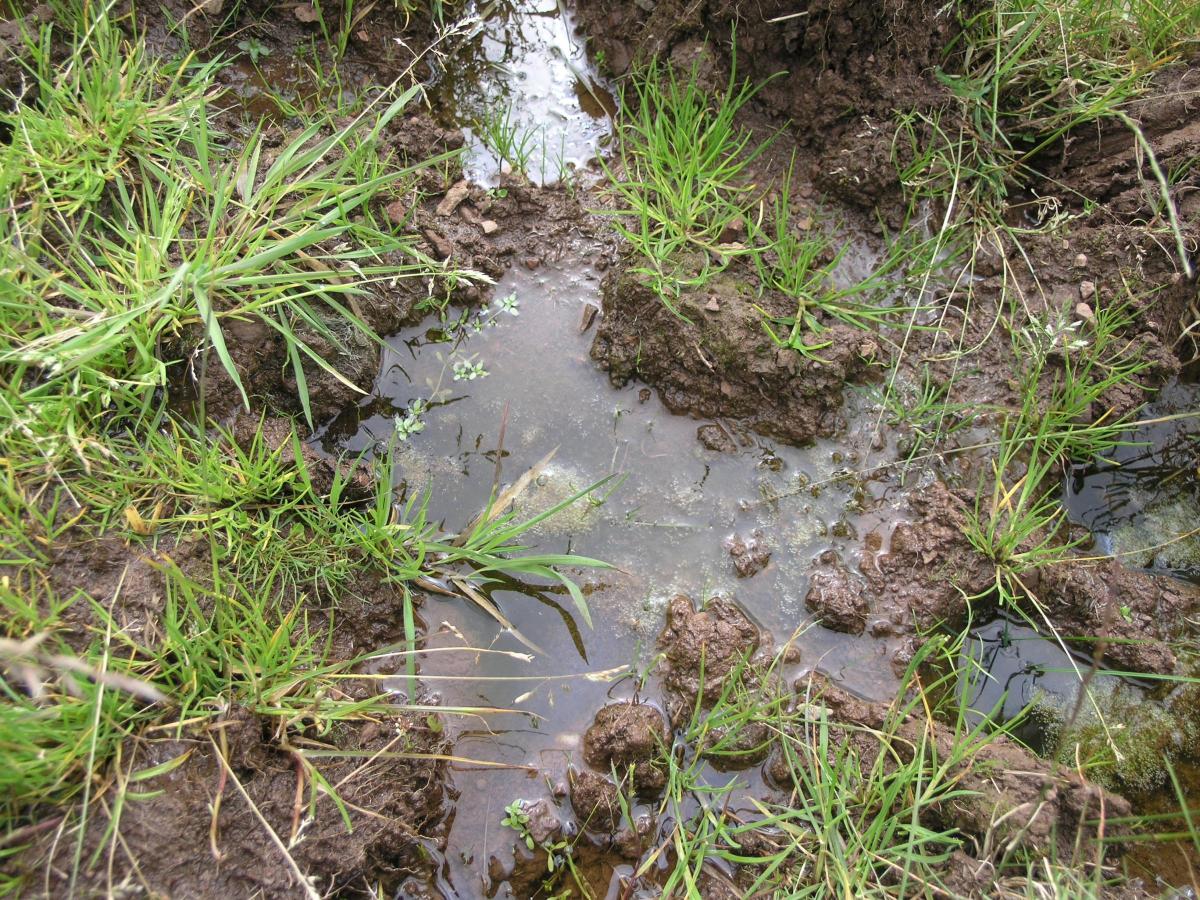
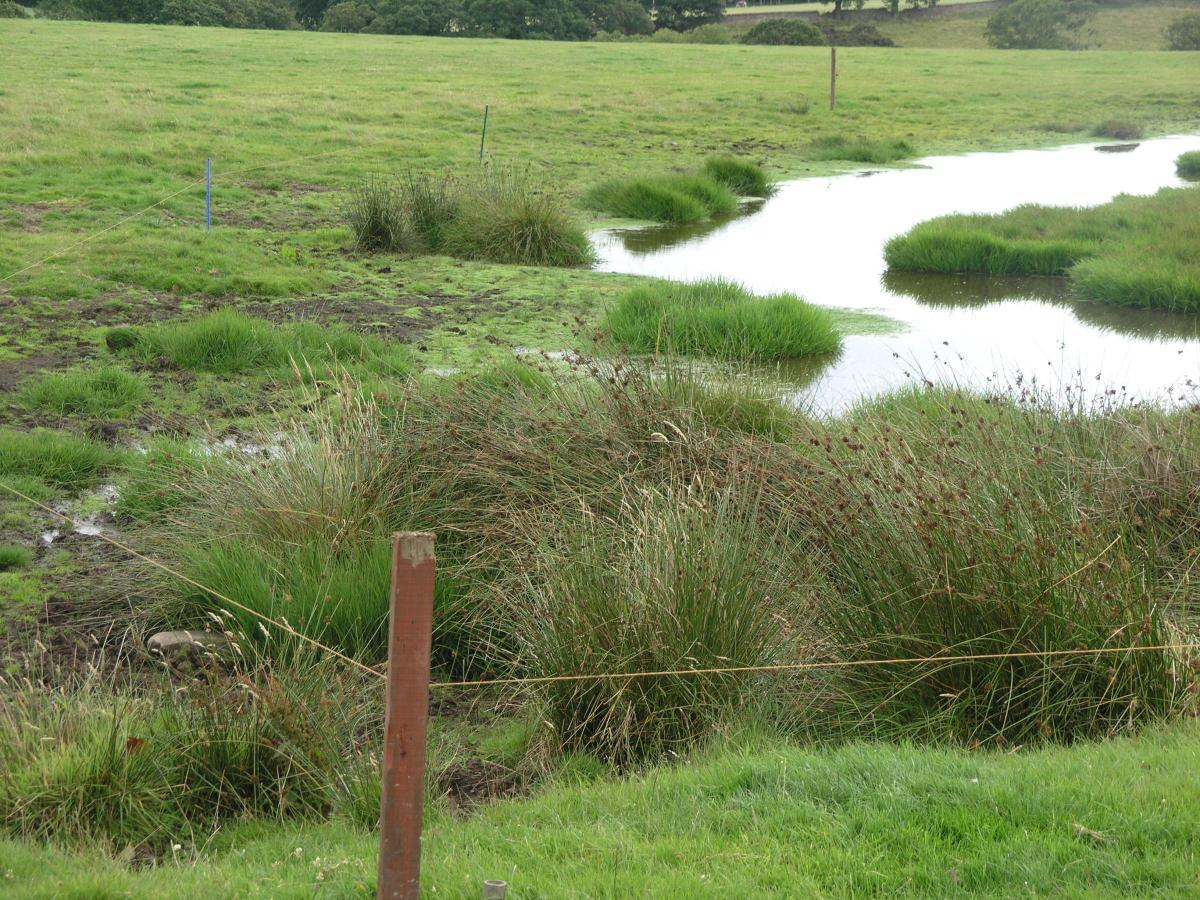
Mud snails favour damp, muddy habitats, including ditches, boggy ground, pond edges and slow-moving streams. Sheep grazing these areas are particularly vulnerable, making pasture management an important consideration for farmers this autumn.
Liver fluke has traditionally been associated with the wetter western and upland regions of the UK, including Wales, Scotland, western England and Northern Ireland. However, slaughterhouse condemnations and laboratory surveillance are now indicating cases in areas not previously considered high-risk.
Ally Ward, veterinary surgeon at Zoetis UK, says changing weather patterns are affecting both the timing and distribution of the parasite.
She said: “Climate change is altering the geographical range and seasonality of liver fluke. While it normally affects sheep during wet and warm conditions over 10°C in mid-Autumn around October, it is affecting flocks later this year.”
For Peter, keeping on top of the risk means acting quickly when warnings are issued by SCOPS (Sustainable Control of Parasites in Sheep).
Peter said: “Liver fluke is certainly on my radar and while I have a good understanding of parasitology and how to confidently control worms, liver fluke is a different story. Some years we don’t experience liver fluke, but some years certain groups of sheep are diagnosed, particularly the ones grazing on one of our holdings which is river floodplain and prone to flooding.
“While liver fluke fatalities are normally low, it can lead to health and welfare concerns and financial losses. Therefore, as soon as we receive the SCOPS alert for liver fluke, we take faecal samples and send them away for a coproantigen test, which is an ELISA test that detects the digestive enzymes secreted by the parasite.
"The coproantigen test detects the parasite as early as four to seven weeks post-infection, unlike traditional faecal egg counts which only become positive 10 to 12 weeks after infection. We also do a routine faecal egg count at the same time to test for Strongyles and Nematodirus."
He added: “Last year we had positive tests for liver fluke and worms and treated 300 sheep on the floodplain holding with CYDECTIN TriclaMox, a combination oral drench treatment containing moxidectin and triclabendazole that treats for both, including Haemonchus, which we also have on our farm.
"We then followed up with a coproantigen test six to eight weeks later which was negative for liver fluke and a post-drench faecal egg count for worms, which was also negative.”
Peter's experience highlights the importance of testing rather than relying on the calendar to determine when liver fluke might strike. With weather conditions becoming less predictable, farmers may need to rethink traditional approaches to monitoring the parasite.
Ally Ward added: “Preventative measures and treating sheep with a flukicide for liver fluke are critical components to a flock health plan, both for the health and welfare of a flock and to protect a farm from financial losses. A flukicide treatment strategy should be discussed with your farm vet or SQP to ensure appropriate treatment choice and dose rates.”
Farmers can find further information about liver fluke control from their vet or SQP.


Share