





After investments in herd-monitoring technology, Higher Bojewyan Farm in Cornwall has recorded an 8% empty rate, half the previous year’s rate, which has also improved its health status.
A change in system and investment in monitoring technology has paid dividends for David Murley, who farms with his brothers and parents near Pendeen, Cornwall.
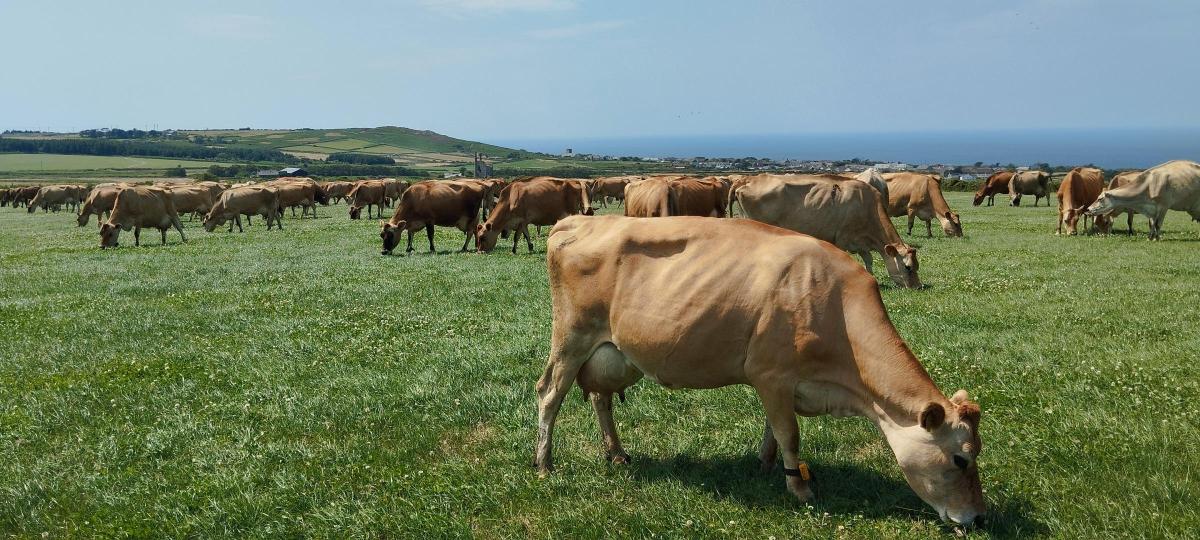
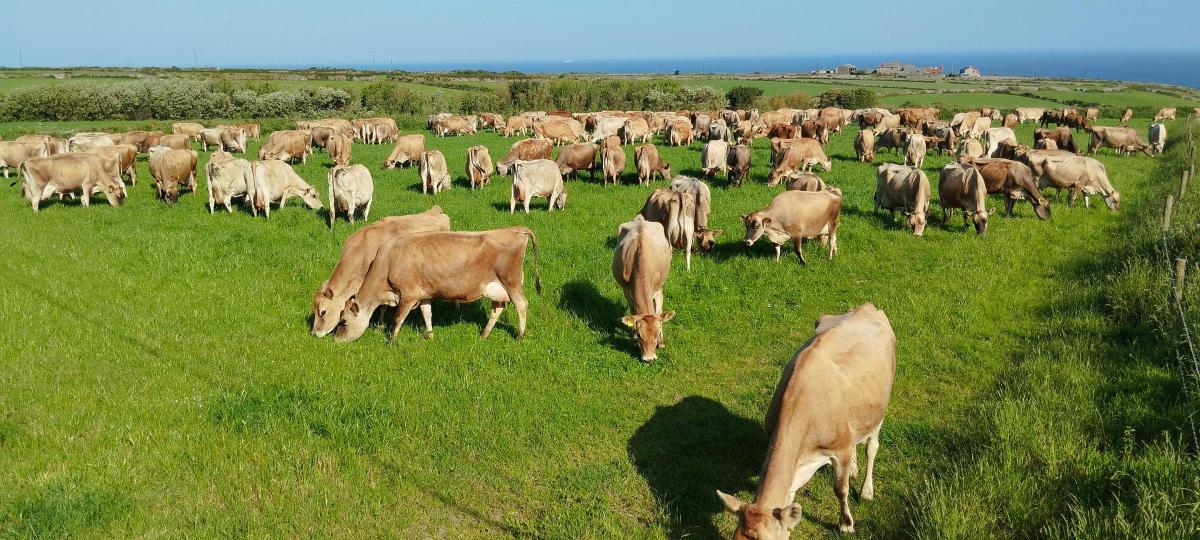
Having previously milked 300 pedigree Jerseys on a high-input system, David says moving to a smaller, low-input, grass-based model run on 470 acres has reduced lameness and made the herd easier to manage with fewer staff.
It is a change which has benefitted David and his brothers, Christopher and Geoffrey, and their parents, Mary and Eric.
David said: “After our herd reduced to 200 cows after a TB outbreak, we realised the once-a-day milking cows were just as profitable, while the system was simpler to manage.”
After previously relying on an external pedometer for monitoring, David changed to smaXtec’s internal bolus monitoring system just over 12 months ago, shortly before the farm’s breeding season started.
He said: “The pedometers were less accurate once the cows were milked once a day and grazed outdoors. The data was limited, while tail-painting was time-consuming.”
David explained the main benefit was using the app’s data to identify around 25 cows where pregnancy status was less certain, rather than pregnancy-scanning the entire herd. This was thanks to accurate heat detection.
He added: “Only those animals which we weren’t sure if they were in calf were scanned, which saved us time, veterinary visits and costs.”
The technology also monitors rumination and activity, using artificial intelligence to identify periods of heat, calving and potential signs of disease through internal temperature recording. Alerts are sent directly to a mobile app.
Davis said: “With the app alerts, we can detect disease earlier and know which cows need treatment.
“We have significantly reduced our use of antibiotics and treat cows with more anti-inflammatories, which has reduced diseases such as mastitis on the farm, meaning our cull rate has dropped.”
Milk is supplied to Arla, with fat and protein key to the contract and David says healthier cows means they are on track to meet their targets.
He added: “We average 3,800 litres of milk per cow annually, with an average of 5.9% fat and 4.39% protein, but we are aiming for 4,000 litres. With this extra technology, it’s helping us reach this.”
Jeremy Clark, smaXtec account manager for the south of England and former dairy farmer and smaXtec customer himself, supported the installation.
Jeremy said: “We administered the boluses during morning milking to reduce any stress for the herd and data was sent to the app almost immediately.”
After the boluses were placed in the cows, David says Loretta Holder, customer success team lead at smaXtec, trained the farm staff on the technology.
David said: “We found the technology straightforward to use, and we meet the team every four months or so to review how we are getting on.”
For the Murley family, the aim is not to increase cow numbers but to keep improving the performance of the existing system.
David added: “We want to keep refining the system, improving herd health and exploring how technology can help us achieve even better results.”


Share