



Following last month's feature on intergenerational farming and succession with Stephen Dennis from the Farming Community Network (FCN), South West Farmer spoke to Jo Webb, business development manager at Addington Fund.
She explains how the charity helps farming families navigate one of the biggest barriers to succession, namely housing, and its support for retiring farmers and the next generation…
How significant is the succession challenge facing family farms in the South West?
It is very significant. Across the South West, many family farms are facing the same difficult question: how does one generation step back while giving the next generation a realistic chance to move forward?
Farming is not just a business; it is a home, a way of life and often a family identity built over generations. That makes succession far more complex than a straightforward business handover. We see families who want to plan, but who are held back by uncertainty around where they’ll live, finances, retirement and the emotional impact of leaving the farm. It can be a tough time.
We’re also very conscious that the housing market in the South West has changed markedly since the introduction of the Second Homes Council Tax premium and the Renters Rights Act, reducing the number of rental or affordable properties available.
Why are conversations about retirement and succession so difficult?
These conversations are hard because they are about much more than just work. Talking about retirement can feel like talking about loss of identity, loss of control, guilt and uncertainty about the future. Some younger family members also avoid the conversation because they have chosen different careers. It is understandable that families avoid the subject, but delaying it often makes decisions much harder.
Can having the security of a home make succession discussions easier?
Yes, very often it does. Housing is one of the biggest barriers to succession, particularly where the older generation lives in the farmhouse and the younger generation cannot fully take over until that issue is resolved.
The majority of farmers that own their land, can review their assets to see how they might fund a new home, but for tenants, particularly those with an old-style AHA tenancy, they may not have the means to do this.
How does Addington Fund help ease farmers' concerns about leaving the farm?
That concern is one of the reasons why Addington Fund exists. For over 20 years we’ve provided affordable, secure homes for farming families who must leave their farm, often because they are retiring, leaving a tenancy or facing circumstances beyond their control. Knowing there is a secure home available can make the prospect of stepping away from the farm far less frightening.
How important is your support to tenant farmers?
It is extremely important. Tenant farmers may have spent decades building a life and business on a farm, but when the tenancy ends, they have no right to remain in the farmhouse and usually no property asset to fall back on. That can leave people in a very vulnerable position at precisely the point when they are dealing with major life changes. Addington’s support can provide security at a time when families may feel they have very few options.
Can you share an example of where your housing scheme helped a family?
For tenant farmers with succession tenancy agreements, our housing scheme provides the older generation with the opportunity to step away from the business in a planned way, while safeguarding the future of the farm for the next generation.
One example is Frank and his son James, who farmed a dairy unit in the South West under a three-generation Agricultural Holdings Act tenancy. By his late seventies, Frank wanted to retire and hand over responsibility to James, but buying a home would have taken substantial capital out of the business.
Addington Fund helped by providing a home through a shared ownership arrangement, purchasing a bungalow just five miles from the farm. Frank and his wife contributed towards the purchase of the property, giving them an equity stake while reducing their ongoing rental costs.
The scheme allowed Frank to stay close to his family and the community he had belonged to for more than 60 years. He continues to help with the milking when needed, while James can run the farm without the added financial burden.
How does Addington Fund help young people get started in farming?
The biggest barriers are access to land, capital and opportunity. Many young people have the energy, ability and commitment to farm but struggle to find a route into the industry. Land is expensive and rarely available, start-up costs are high, and it can be difficult to secure funding without assets or a track record. For those who are not born into a family farm, the route into agriculture can feel almost closed.
Our New Entrant Grants help people aged 18 to 40 with some of the costs involved in getting started, whether that is equipment, training, business development or other essential needs. The aim is not just to provide funding, but to give people confidence and momentum in their first five years of farming.
Can you share an example about a young farmer who benefited from a New Entrant Grant?
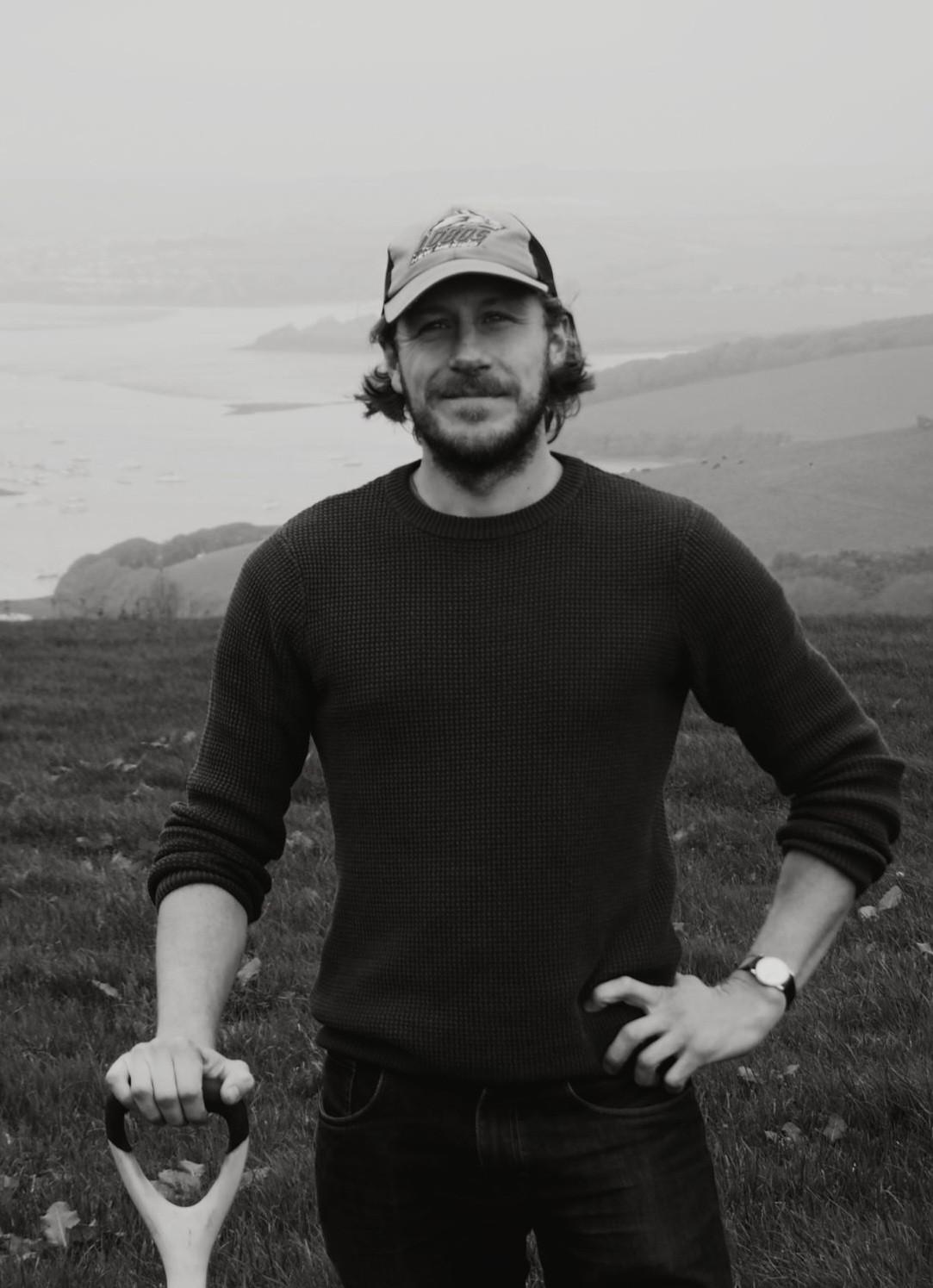
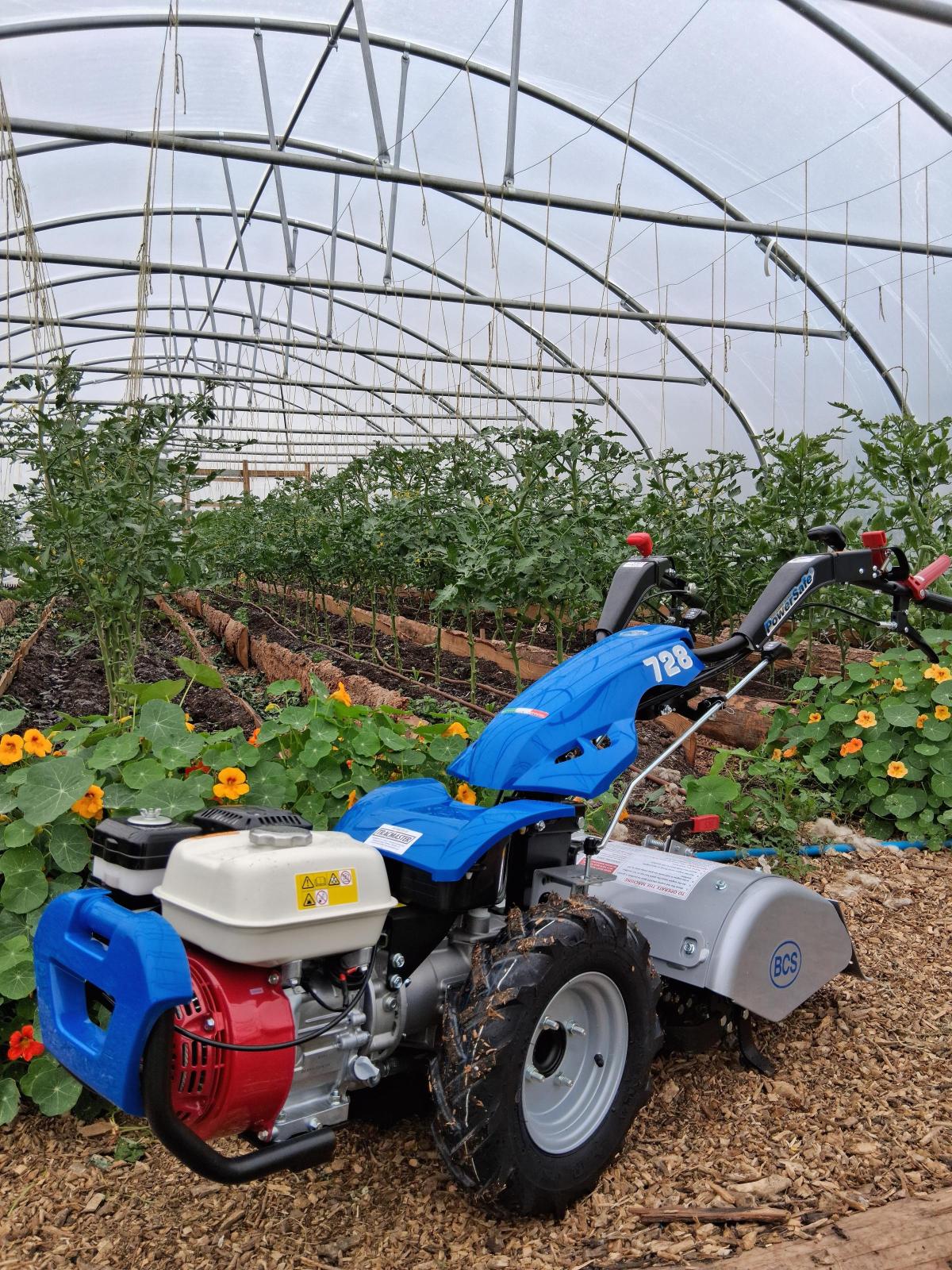
We were delighted to help Tom O’Connor, from Totnes when he applied for equipment to support his new venture, the Green Man Growing market garden.
Tom said: “With the help of Addington Fund, I purchased a BCS 720 walking tractor and rotovator. It has felt like hiring my first employee! Now I can flip and plant new beds rapidly, allowing for greater productivity, saving time (and my back) in my second season a solo new-entrant grower.”
Can you tell us about your Starter Farm initiative?
The Starter Farm initiative is about creating practical routes into farming for talented new entrants who don’t have access to land. We’re delighted that our flagship starter farm, Whins Farm, opens in Cumbria this year – it’s been a £1m+ project that we hope to replicate across the country. The scheme is also a valuable option for farmers with no family successor, who want to see their farm support the next generation of farmers.
What is the demand for Addington Fund’s services in the South West?
Demand continues to be strong across Devon, Cornwall, Somerset, Dorset and Wiltshire. Livestock farmers in particular are facing pressures from animal disease and weather-related challenges. These counties have significant pressures around land values, housing availability, tenancy changes and succession. We are seeing that families increasingly need practical, compassionate support to navigate those pressures. The need is certainly not going away, but neither are we.
What properties are currently available in the South West?
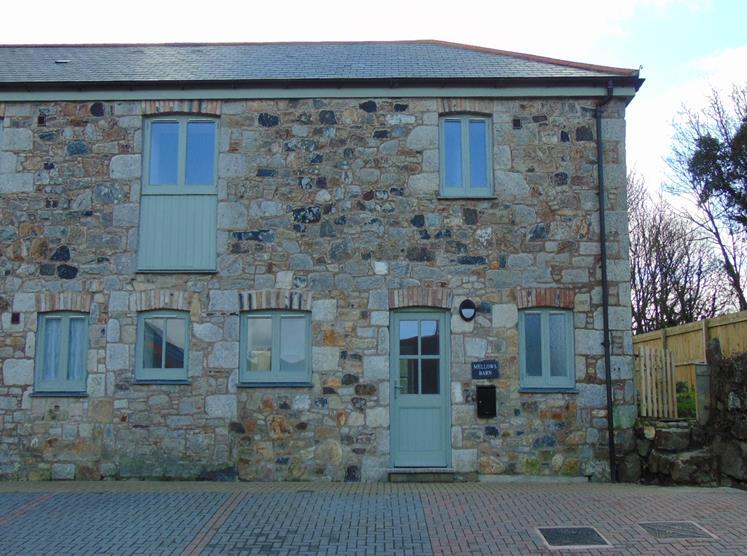
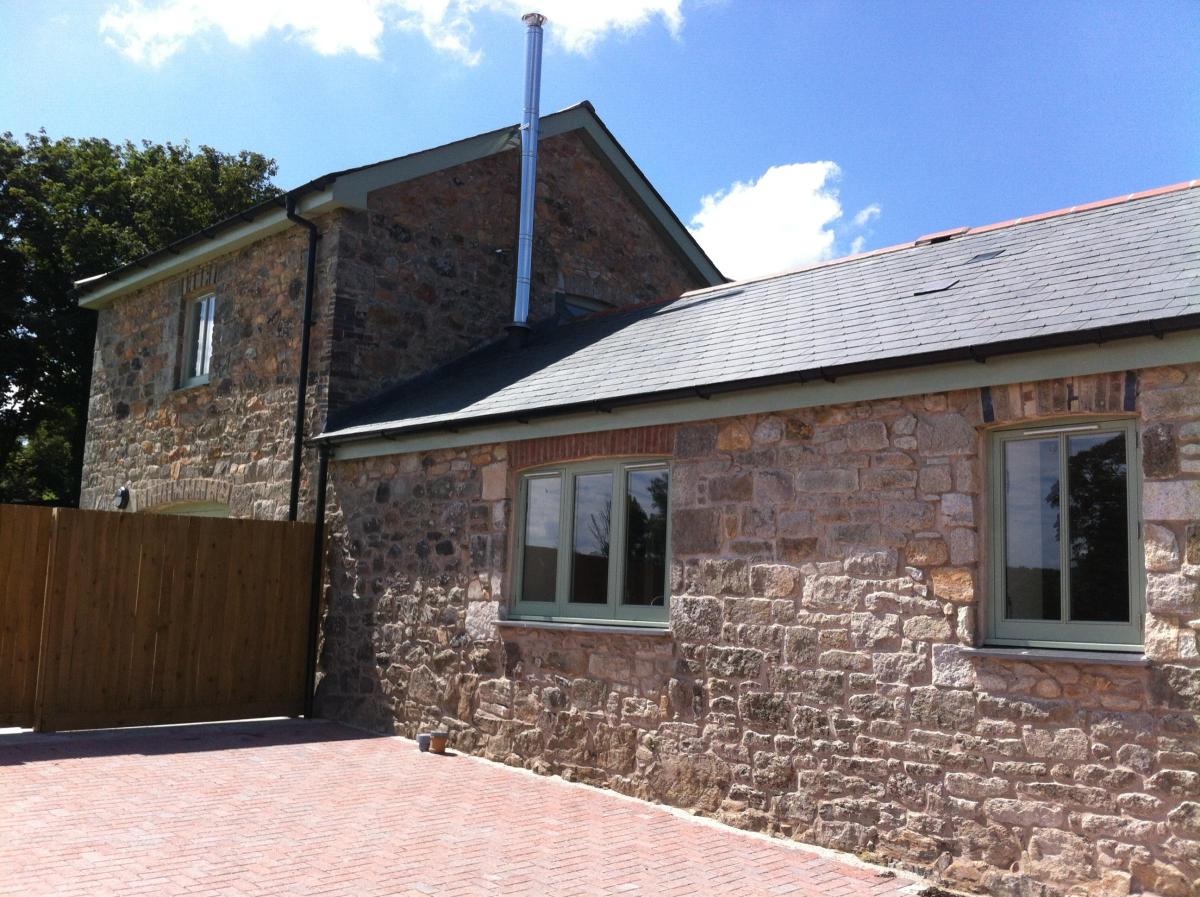
Usually, we work with our beneficiary to buy a property for them to rent that’s suitable in both location and design, rather than owning a stock of housing. However, we are proud of our permanent live/work units in locations in Cornwall. If you’re a farmer who’d like to step away from the farm, but still run a rural business, it’s always worth keeping an eye on our website to see if we have any of these properties available – it just so happens we have one live/work unit coming up soon in Ruthvoes.
A particularly important point is that six farms across Devon and Cornwall have been pledged to Addington in Wills, which is an extraordinary act of generosity and foresight. These future legators want to support new entrants through our Starter Farm scheme and get great comfort from knowing their gift has the potential to make a lasting difference after their deaths by creating opportunities for future generations.
What would you say to families who have been putting off ‘the succession conversation’?
You are not alone, and it is understandable that the conversation feels difficult.
Leaving farming is a major life change, and families often need time and support to adjust. Starting the conversation early can make a huge difference. Succession will not be solved in one meeting, but getting advice from your solicitor, accountant and other professionals early can turn a huge subject into a practical plan. We’re happy to talk through these concerns and, where appropriate, signpost people to other organisations if they are better placed to help.
Where should people go to benefit from Addington Fund's support?
We would encourage anyone who thinks they may need support - whether they are farming currently and experiencing a crisis, want to exit farming or are a young person trying to get started - to get in touch with us for a confidential conversation.
Contact details:
Addington Fund
T: 01926 620135
E: enquiries@addingtonfund.org.uk


Share