




A heartbroken farmer has spoken out amid an outbreak of bluetongue virus that appears to be hitting the county.
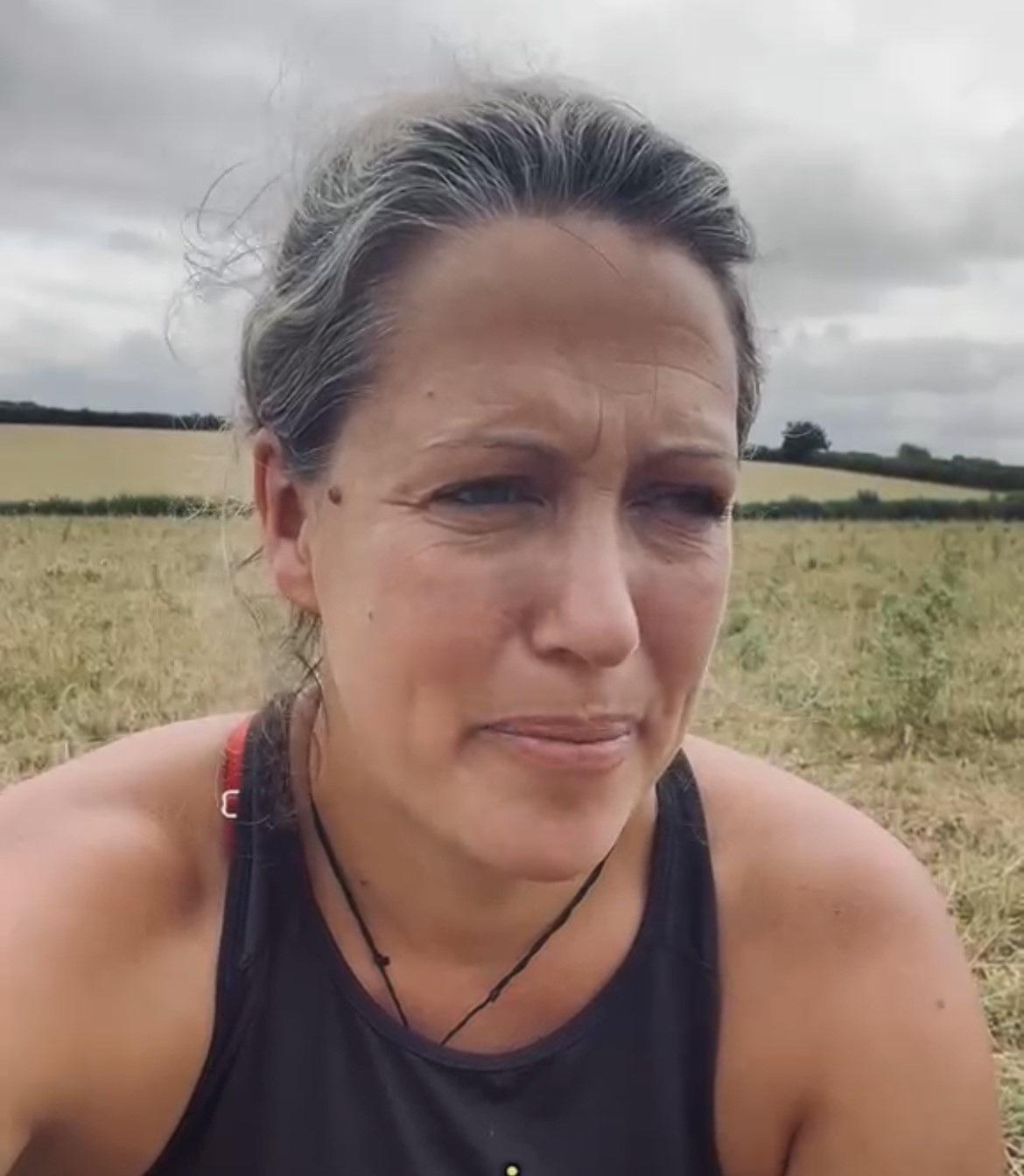
Councillor Cheryl Cottle Hunkin, who has a farm in Torridge, released an emotional video describing the impact she believes the virus is having on her farm and others.
In the video, Cllr Cottle Hunkin says the virus is “hitting us hard in Devon” and that fellow farmers had asked her to publicise the plight surrounding bluetongue given that “ we’re seeing animals just dropping down dead”.
At one point, she appears to hold back tears as she outlines the emotional toll of checking animals for signs of the virus.
“I’ve been feeling guilty as we didn’t vaccinate for it last year but I just want people to know that they’re not alone and that everyone is ordering the vaccine now,” she said in the video.
“It takes three weeks to work. We don’t 100 per cent know that we have got it, but we have had blood tests taken but the tests take two weeks to come back to confirm whether it is [bluetongue] or not.
“There’s no compensation for it, but it’s really the emotional loss as you’re going around scared to check the sheep.”
She said she had lost eight sheep on her farm due to what they suspect is bluetongue, and that efforts had been undertaken to give the herd antibiotics and anti-inflammatories to help prevent secondary infections and to provide them with energy to fight the virus.
“We didn’t lose a single ewe during lambing and had a tremendous crop of lambs in April, so this has been a real kick in the stomach,” she told the Local Democracy Reporting Service separately.
“Farming is tough and this is a huge mental challenge on top of the drought conditions we’re experiencing.”
The latest government data states there have been 81 recorded cases in England since the bluetongue season began on 1 July, and of those, Devon is mentioned 39 times.
Clinical signs among affected animals include fever, lameness, facial swelling, nasal discharge and mouth ulcers. Death is listed as an outcome for sheep, lambs and calves on the government website.
Cllr Cottle Hunkin said a lack of publicity over the issue meant people hadn’t been looking out for it locally, and that besides its main visible symptoms, it could impact fertility in sheep and cattle too.
“So it might be next year when we realise the full impacts on fertility,” Cllr Cottle Hunkin added.
In a bid to bring some relief at the end of the video, Cllr Cottle Hunkin said her father believed the bad luck had been caused by them bailing hay on a Sunday, adding: “so hopefully that makes someone laugh”.
The government website states the midges that spread bluetongue became active again on March 31 this year, and that following the recent warm weather, experts advise that cumulative temperatures are now high enough for the virus to develop inside the midges, and onward transmission is now possible.
“The risk of transmission from midges blown across the channel has increased,” it added.
“The risk of incursion of bluetongue virus (including serotypes not currently circulating in England) from all routes remains at medium (occurs regularly) although the risk of airborne incursion is negligible.”
Bluetongue virus is mainly spread by biting midges and can affect sheep, cattle, deer, goats, llamas and alpacas.
Rarely, bluetongue can affect dogs and other carnivores if they eat infected material (such as aborted material and afterbirth), but it does not affect people or food safety, according to the government.


Share