


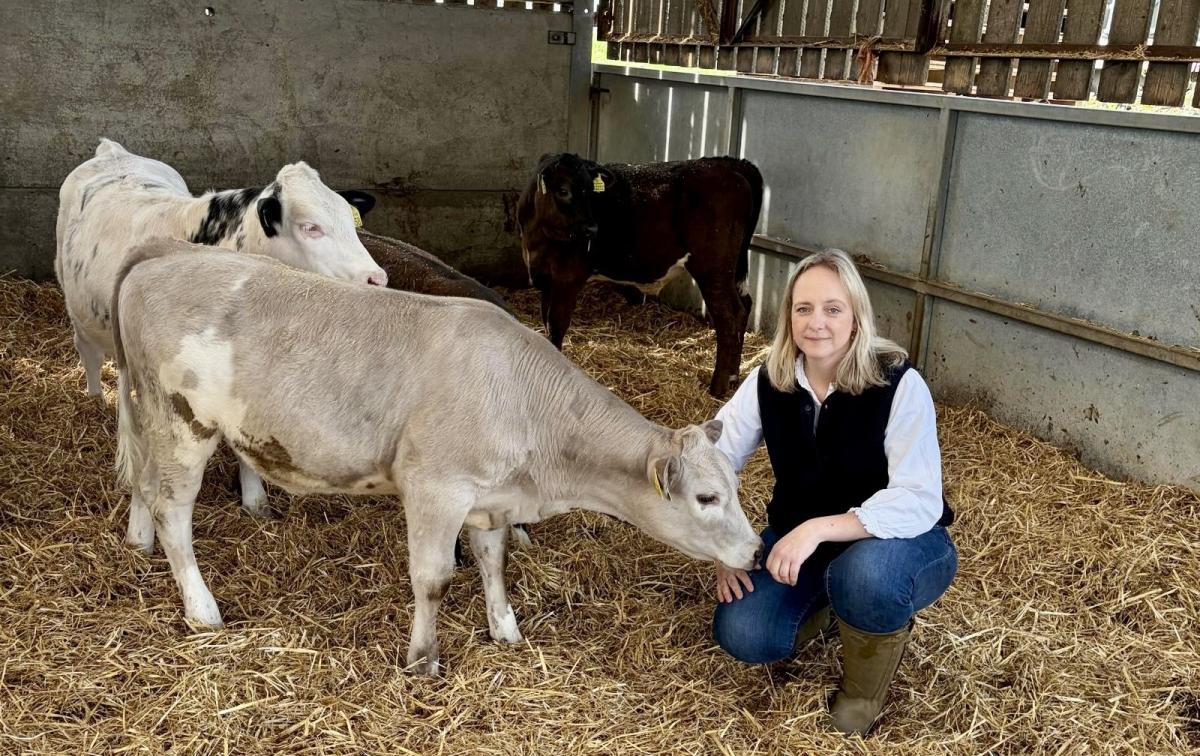
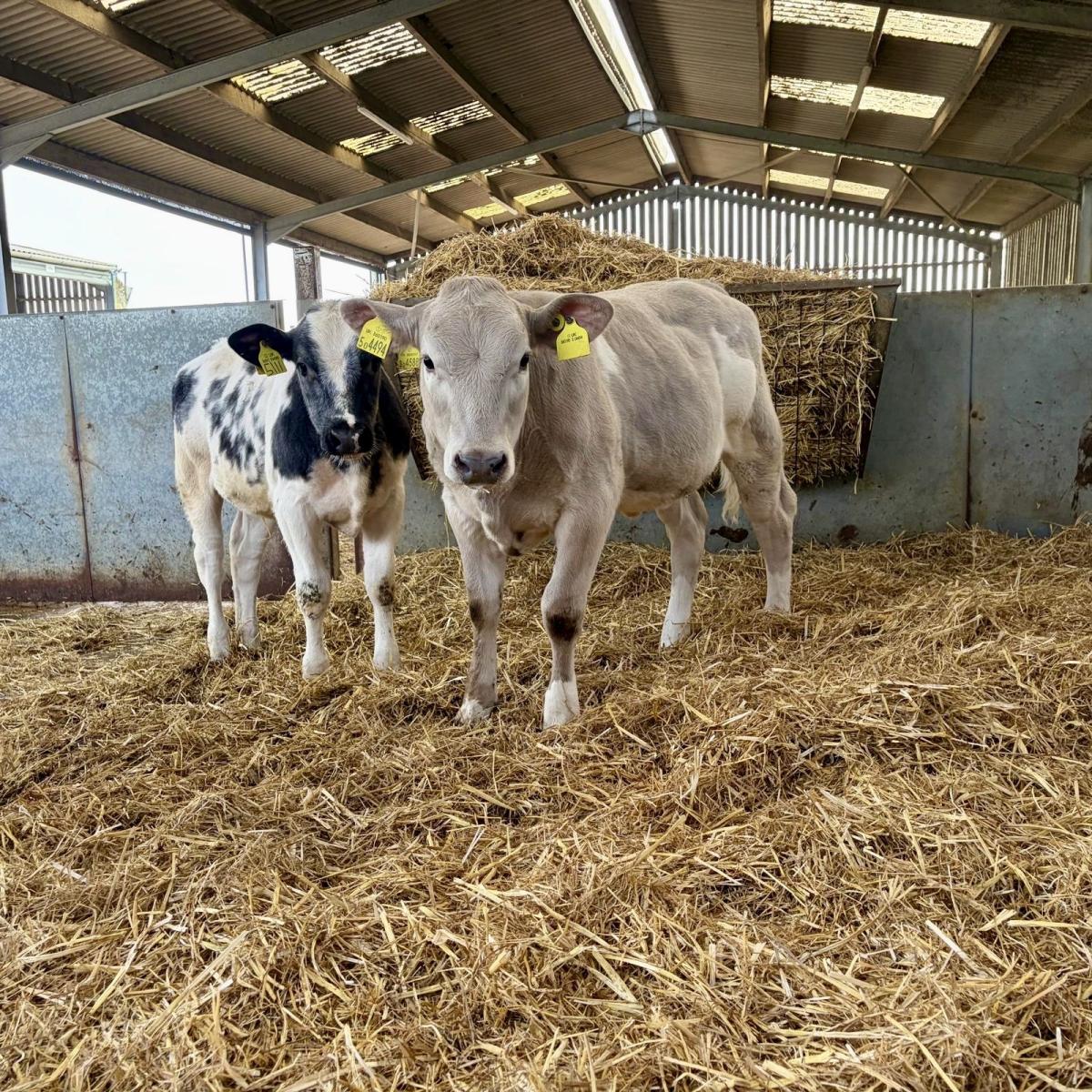


A cow has been officially approved to dispose of people’s rubbish, exposing what campaigners say is a shocking failure in the government’s waste licensing system.
The Country Land and Business Association (CLA) revealed that “Beau Vine”, a Charolais-cross cow from Wiltshire, was granted an upper-tier waste carrier licence in under three seconds, without any checks or questions.
The sting operation comes as fly-tipping across the countryside hits record levels, with criminals accused of exploiting the system to appear legitimate before dumping waste.
To test the process, the CLA submitted an application in Beau’s name. It was instantly approved. A second fake applicant, named “Lawrie Load” was also rubber-stamped, raising concerns that even basic safeguards are missing.
Under current rules, applicants need only provide a name, address, email and a small fee, with no identity verification required.
Ann Maidment, director of CLA South West and owner of Beau Vine said: “Beau Vine excels at eating grass, lounging in the sun and a leisurely moo. Waste management, however, remains stubbornly beyond his remit.
“That he should be approved for a license in under three seconds reveals something alarming: not even the most basic background checks are being done.
“And it raises a worrying question: if a cow can get a license, who is the government actually turning away?
“Criminals know this. They exploit these licenses to appear legitimate, then go on to fly-tip tonnes of waste, some of it hazardous, endangering the livelihoods of rural communities.”
Ann added: “A system that approves applicants instantly and without scrutiny is not regulating waste.
“It is smoothing the path to dump it. Government must introduce proper checks, verification, and standards to stop rubber-stamping fly-tippers and start protecting the communities they harm.”
The findings come as rural communities face mounting clean-up costs. A CLA survey found nearly three-quarters of farmers are hit by fly-tipping each year, with some targeted repeatedly. Each incident costs on average £1,000 to clear up, with 85% saying they have invested in measures such as CCTV, lighting and other security.


Share